
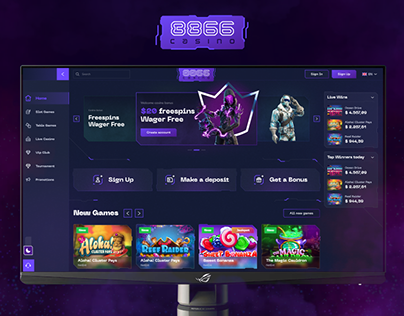
In the ever-evolving landscape of digital gambling, slot interfaces play a pivotal role in shaping how players engage with games and make strategic decisions. The design and functionality of these interfaces directly impact a player’s ability to interpret outcomes, understand patterns, and apply informed strategies, even in games traditionally dominated by chance. By providing clear feedback mechanisms, intuitive navigation, and accessible data presentation, modern slot interfaces enhance the strategic accuracy of players, fostering a more engaging and controlled gaming experience.
At the core of improved strategic accuracy is the clarity of information that slot interfaces provide. Traditional mechanical slots offered minimal feedback beyond the visible reels, leaving players with little understanding of how their decisions influenced outcomes. Modern digital slots, however, present players with a wealth of information, including pay tables, win probabilities, and bonus feature triggers. By clearly displaying these elements, players can better understand the mechanics of each game and make decisions that align with their objectives. For example, a slot interface that highlights the probability of hitting a particular combination or the expected return on a bonus round empowers players to choose games or betting strategies that optimize their potential outcomes.
Another significant aspect of interface design is the way it communicates real-time feedback. Players rely on immediate visual and auditory cues to assess the impact of each spin and to adjust their approach accordingly. Animations that celebrate wins, highlight active paylines, or indicate potential bonus triggers provide intuitive signals that guide decision-making. When feedback is consistent and easily interpretable, players can identify patterns or trends that inform strategic choices. Even though slot outcomes are fundamentally random, the perception of control and the ability to track game behavior can enhance a player’s confidence and engagement, leading to more deliberate and thoughtful wagering decisions.
Accessibility and usability are equally important in enhancing strategic accuracy. Complex interfaces that overwhelm the player with information or obscure essential game mechanics can lead to confusion and misinformed decisions. Effective slot interfaces prioritize user-centered design, organizing information logically and providing clear pathways for interaction. Features such as adjustable bet levels, intuitive spin controls, and easily navigable menus allow players to focus on strategy rather than on navigating the game. When a player can seamlessly access pay tables, rules, and game histories without frustration, they are more likely to make calculated decisions that reflect a considered approach rather than impulsive reactions.
Moreover, slot interfaces increasingly incorporate analytical tools that support strategic thinking. Some platforms now provide statistics on previous spins, win frequencies, and bonus round probabilities. By offering historical data in a digestible format, players can engage in a form of strategic reflection, comparing outcomes across sessions and refining their approach. While this does not guarantee success, as outcomes remain governed by random number generators, it allows players to approach the game with a disciplined mindset, recognizing patterns in volatility and payout structures that influence long-term play strategies.
The integration of customization options within slot interfaces also contributes to strategic accuracy. Players can adjust settings such as bet increments, autoplay features, and visual or auditory feedback according to personal preferences. This level of control not only enhances comfort and immersion but also facilitates a more deliberate and measured approach to gameplay. By tailoring the interface to their preferred style of play, users can reduce distractions, maintain focus, and execute strategies that are aligned with their risk tolerance and objectives.
Slot interfaces also play a crucial role in supporting responsible gambling practices, which indirectly improves strategic accuracy. Clear displays of session history, spending limits, and win-loss records enable players to track their behavior and make informed decisions about when to stop or adjust their approach. By providing this information transparently, interfaces encourage a level of self-regulation that fosters sustainable engagement. Players who are aware of their financial and behavioral patterns can make strategic decisions based not only on game mechanics but also on their overall gambling management goals, aligning short-term tactics with long-term planning.
Another dimension of interface design that enhances strategic accuracy is the emphasis on visual hierarchy and cognitive ergonomics. Elements such as color coding, highlighting, and spatial arrangement are employed to guide attention to critical information. For instance, active paylines or bonus indicators may be highlighted prominently, ensuring that players can quickly identify opportunities and make timely decisions. By reducing cognitive load and presenting information in an organized and visually intuitive manner, interfaces enable players to process complex information efficiently, which is essential for executing strategies in real time.
The social and interactive features embedded in many contemporary slot interfaces further contribute to strategic engagement. Leaderboards, achievement tracking, and shared gameplay experiences encourage players to monitor performance metrics and compare strategies. This social dimension fosters analytical thinking, as players learn from both personal experience and observation of peers. When interfaces provide a platform for informed comparison and reflection, players are better equipped to refine their strategies, experiment with different approaches, and develop a nuanced understanding of game dynamics.
In conclusion, while slots are inherently games of chance, the design of modern interfaces significantly enhances strategic accuracy by providing clarity, feedback, analytical tools, and user-centric customization. Through thoughtful presentation of probabilities, historical data, and interactive features, these interfaces enable players to make informed decisions, adjust tactics in real time, and engage with games in a deliberate and controlled manner. By prioritizing usability, cognitive ergonomics, and responsible gambling features, slot interfaces transform the gaming experience from one of passive chance to active strategic engagement, fostering both enjoyment and informed decision-making for players.








Leave a Reply