
Slot games have long been a staple of both physical casinos and online gambling platforms. While their primary purpose is entertainment, modern game design increasingly focuses on promoting responsible gambling habits and ensuring player well-being. By carefully structuring gameplay, integrating pacing mechanics, and encouraging self-awareness, slot games can support healthy gambling routines while maintaining engagement and enjoyment.
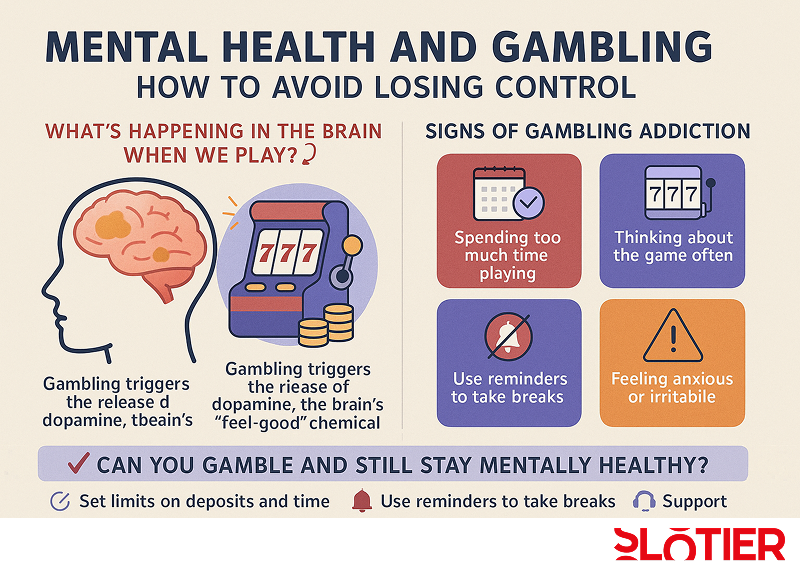
One of the primary ways slot games foster responsible play is through session management features. Many online platforms implement timers or reminders that alert players when they have been playing for a set period. These reminders are often customizable, allowing players to choose intervals that match their personal comfort levels. By providing periodic prompts, the games help users maintain awareness of their time spent gambling, preventing prolonged sessions that can lead to fatigue or impulsive decisions. This subtle encouragement of self-regulation promotes healthier patterns without detracting from the excitement of gameplay.
Betting structures also play a significant role in encouraging sustainable gambling. Slots are designed with a wide range of betting options, allowing players to select stakes that align with their budgets. Adjustable bet sizes give players the flexibility to engage in lower-risk play, which can extend playtime while reducing the likelihood of significant losses. Many games also feature “auto-spin” limitations or cooldowns to prevent rapid, continuous wagering, fostering a pace that encourages reflection and conscious decision-making. These mechanisms support players in maintaining control over their gambling habits rather than succumbing to impulsivity.
Another key element is the design of reward systems. Slot games traditionally rely on variable reward schedules, which can be highly engaging. However, responsible design integrates transparent odds and balanced payouts to prevent misleading perceptions of winning. Features such as “win meters” or progress trackers help players understand their performance and set realistic expectations. By presenting rewards in a way that highlights probability and consistency, games can nurture a mindset of entertainment rather than obsession. Players are more likely to approach gambling as a leisure activity when they can clearly see how outcomes relate to chance and strategy.
Interactive features and in-game guidance can further reinforce healthy gambling practices. Many slot games include educational tips, tutorials, or pop-ups that provide information about odds, volatility, and bankroll management. By offering insights into how the game operates, these features empower players to make informed decisions. Moreover, games often incorporate reminders about responsible play, including links to support resources for individuals who may need assistance with problem gambling. This integration of educational content ensures that players are not only entertained but also aware of how to manage their gambling responsibly.
The social aspect of slot games can also contribute to healthier routines. Multiplayer or community-based slots allow players to engage with friends or broader networks while setting limits and discussing strategies. Shared experiences can reinforce self-discipline, as players observe peers practicing moderation and responsible betting. Social features can include leaderboards, collaborative challenges, or friendly competitions, which shift focus from purely monetary outcomes to communal enjoyment. By emphasizing connection and shared experience, games foster an environment where entertainment takes precedence over excessive risk-taking.
Technological innovations, particularly in online slots, further enhance the ability to promote responsible habits. Adaptive algorithms can monitor player behavior and identify patterns that may indicate risk, such as consecutive high-stake losses or extended play periods. These systems can trigger interventions, such as temporary lockouts, personalized messages, or suggestions for breaks. While maintaining user privacy and autonomy, such technology provides an additional layer of support that encourages reflection and moderation. This proactive approach helps players sustain a healthy balance between engagement and self-care.
Moreover, the incorporation of gamified goal-setting can positively influence gambling routines. Many slots offer achievement systems, missions, or point accumulation that reward consistent play without emphasizing excessive spending. By framing objectives around skillful or strategic engagement rather than monetary gain, players are incentivized to pace themselves and focus on long-term participation. Gamification not only enhances enjoyment but also encourages behavior that aligns with responsible gambling principles.
Bankroll management tools within slot games provide another practical avenue for promoting healthy routines. Players are often given the option to set daily, weekly, or session-based deposit limits. These controls prevent overspending and facilitate self-imposed boundaries. Combined with real-time feedback on spending and remaining balance, players can make conscious choices about their play. By integrating these tools directly into the gaming interface, platforms make responsible gambling a seamless and accessible component of the overall experience.
In addition, regular updates and themed content cycles can help regulate play frequency. By introducing new slot variations, seasonal events, or limited-time challenges, games naturally encourage intermittent engagement rather than constant, repetitive play. This pacing aligns with responsible gambling objectives, allowing players to enjoy novelty while avoiding excessive time investment. Scheduled breaks between content releases promote balance, giving players the opportunity to reflect on their habits and maintain control over their participation.
Ultimately, the design of slot games that prioritize responsible gambling reflects a broader industry commitment to player welfare. Through session management, adaptable betting, educational features, social engagement, technological monitoring, gamification, and bankroll controls, these games create an environment where entertainment and health coexist. Players are encouraged to approach gambling as a controlled, enjoyable pastime rather than a compulsive activity. By embedding these principles into the structure of slot gameplay, platforms contribute to sustainable habits and long-term satisfaction, demonstrating that fun and responsibility can go hand in hand.









Leave a Reply