
Slot developers operate at the intersection of technology, probability theory, and player psychology, aiming to create experiences that are both entertaining and fair. The core of any slot machine, whether digital or physical, lies in its algorithm, which governs the randomness of spins and the distribution of outcomes. Ensuring that these algorithms are reliable is critical not only for regulatory compliance but also for maintaining player trust and long-term engagement. Developers employ a combination of mathematical rigor, testing protocols, and security measures to uphold the integrity of their games.
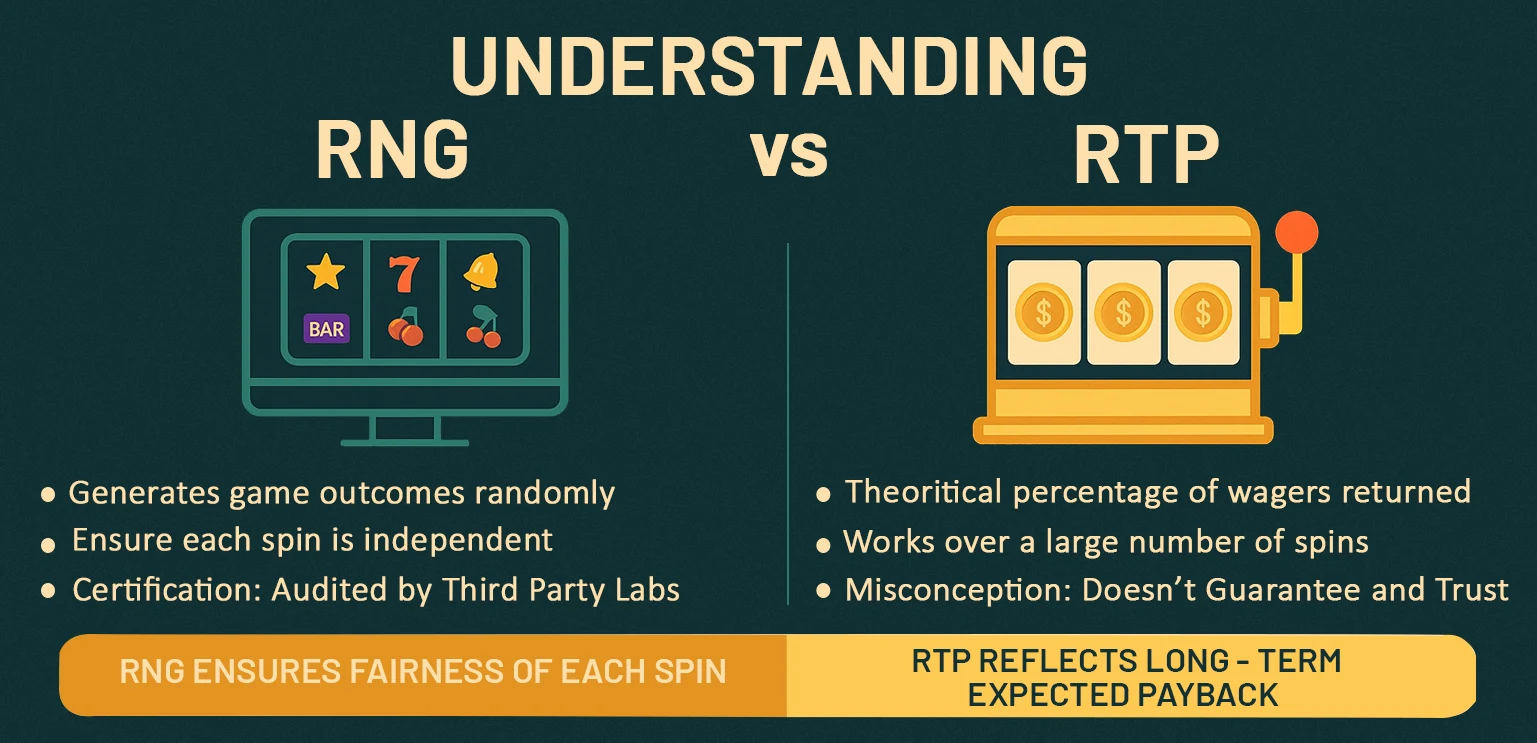
At the heart of slot reliability is the Random Number Generator (RNG), a software component that determines the symbols that appear on a reel for each spin. The RNG must produce outcomes that are statistically random and free from patterns that could be exploited. Developers start by implementing high-quality algorithms that are capable of generating vast sequences of pseudo-random numbers. These sequences are then carefully analyzed to confirm uniform distribution and the absence of bias. By conducting these analyses, developers ensure that every spin is independent of the previous one, which is essential for fairness.
Mathematical modeling also plays a significant role. Developers create simulations to predict the expected behavior of the slot machine over millions of spins. These simulations account for the frequency of each symbol, payline structures, and special features like wilds, scatters, or bonus rounds. Through repeated iterations, developers can identify any deviations from expected probability outcomes and adjust the algorithm accordingly. This process allows for fine-tuning of the return-to-player (RTP) percentage, ensuring that it aligns with both regulatory standards and the intended game design.
Testing protocols extend beyond theoretical models. Slot developers often use automated testing frameworks that run thousands or even millions of spins under controlled conditions. These stress tests help identify edge cases where the algorithm might produce unexpected behavior. For example, developers examine sequences for clustering effects, unexpected win streaks, or long droughts of non-winning spins. By analyzing these patterns, they can verify that the RNG behaves consistently with statistical expectations and that no bias is present.
Independent audits are another layer of verification. Reputable developers often submit their games to third-party testing laboratories, which perform comprehensive checks on both the RNG and the overall game mechanics. These audits are designed to verify the fairness, randomness, and compliance of the game with relevant regulations. Certification from recognized authorities provides transparency and assurance to operators, regulators, and players alike. Players can feel confident that the games they engage with are not manipulated in any way, which is crucial for building loyalty and sustaining a positive reputation in the market.
Security measures are equally vital to algorithm reliability. Developers must protect the RNG from external interference, including hacking attempts or unauthorized modifications. Modern slot software incorporates encryption, secure key management, and robust server-client communication protocols to prevent tampering. By safeguarding the integrity of the algorithm, developers not only protect player funds but also maintain the trustworthiness of their brand. Security breaches could severely damage a developer’s reputation and invite regulatory sanctions, making proactive protection a priority.
Transparency in game design is also part of ensuring reliability. Many developers provide detailed information about RTP, volatility, and bonus mechanics to operators, who in turn can share this data with players. Transparency helps set player expectations and prevents misunderstandings about outcomes. Players who understand the statistical foundations of a game are less likely to perceive random outcomes as unfair. This approach also aligns with responsible gaming initiatives, as it fosters informed decision-making and discourages unrealistic expectations.
In addition to technical measures, developers focus on continuous monitoring post-launch. Online slots generate vast amounts of data in real time, including spin outcomes, win distributions, and feature triggers. By analyzing this data, developers can detect anomalies, performance issues, or unintended patterns early on. Continuous monitoring allows for proactive adjustments and maintenance, ensuring that the algorithm remains reliable throughout the game’s lifecycle. This vigilance is particularly important for progressive slots, where jackpots and dynamic features add complexity to the underlying calculations.
Collaboration with regulators and industry organizations further strengthens algorithm reliability. Developers stay informed about evolving standards and best practices for fairness and randomness. They participate in forums, share insights with peers, and incorporate lessons from regulatory audits into their development cycle. This collaborative approach ensures that algorithm design not only meets current standards but is also adaptable to future changes, fostering long-term sustainability and credibility in a competitive market.
In conclusion, the reliability of slot algorithms is a result of meticulous design, rigorous testing, secure implementation, and continuous oversight. Developers combine advanced mathematical models, statistical testing, third-party audits, and robust security measures to ensure that each game is fair, transparent, and engaging. By adhering to these principles, they maintain player trust, meet regulatory requirements, and contribute to a responsible gaming ecosystem. The careful attention to algorithm reliability ultimately underpins the integrity of the entire industry, demonstrating that technology and ethics can coexist in the pursuit of entertainment.


Leave a Reply